Every chapter below ships offline, illustrated, and indexed — ask the on-device AI anything in this domain and it answers with a citation to these exact pages.
Plant leaves absorb nutrients through their stomata (pores) and cuticle. Foliar feeding delivers micronutrients and beneficial microorganisms…
Walk the prairie at any time of year and you will not find bare ground. Even in the depth of January, when the bluestems and side-oats grama are…
Bare soil is dying soil. In North Texas, uncovered ground bakes to concrete in summer and erodes in spring thunderstorms. Cover crops protect soil…
North Texas zone 8a (average minimum 10–15°F) supports a wide range of fruit trees. Choose varieties with low chill-hour requirements (400–700 hours…
Sixty acres is far more than a family can intensively cultivate by hand. The key is allocating land into zones of decreasing management intensity,…
The moldboard plow is one of the most consequential inventions in human history. John Deere's polished steel share, sliding cleanly through prairie…
The goal is not zero pests — it is keeping pest populations below the level that causes economic damage. A healthy garden always has some pests. The…
In 1996, Monsanto released Roundup Ready soybeans, and within ten years almost the entire conventional row-crop acreage of the United States had…
Annual crops require replanting every season — seed, soil prep, weeding, irrigation, pest management, all from scratch. Perennial food plants…
In the first year after collapse, you will plant based on general knowledge and best guesses. By year three, your records should be telling you…
Zone 8a North Texas has a valuable advantage: two distinct growing seasons. The spring season (February–June) and fall season (September–December)…
When supply chains fail permanently, your ability to produce food depends entirely on seed. Hybrid seed (F1) produces vigorous plants but unreliable…
Every successful garden starts underground. In North Texas, you are likely dealing with vertisol — heavy black clay that swells when wet and cracks…
North Texas receives 30–42 inches of rainfall annually, with most falling in spring (April–June) and fall (September–November). July and August are…
In conventional farming, weeds are enemies eliminated with herbicide. In organic farming without electricity or chemicals, weeds are managed — never…
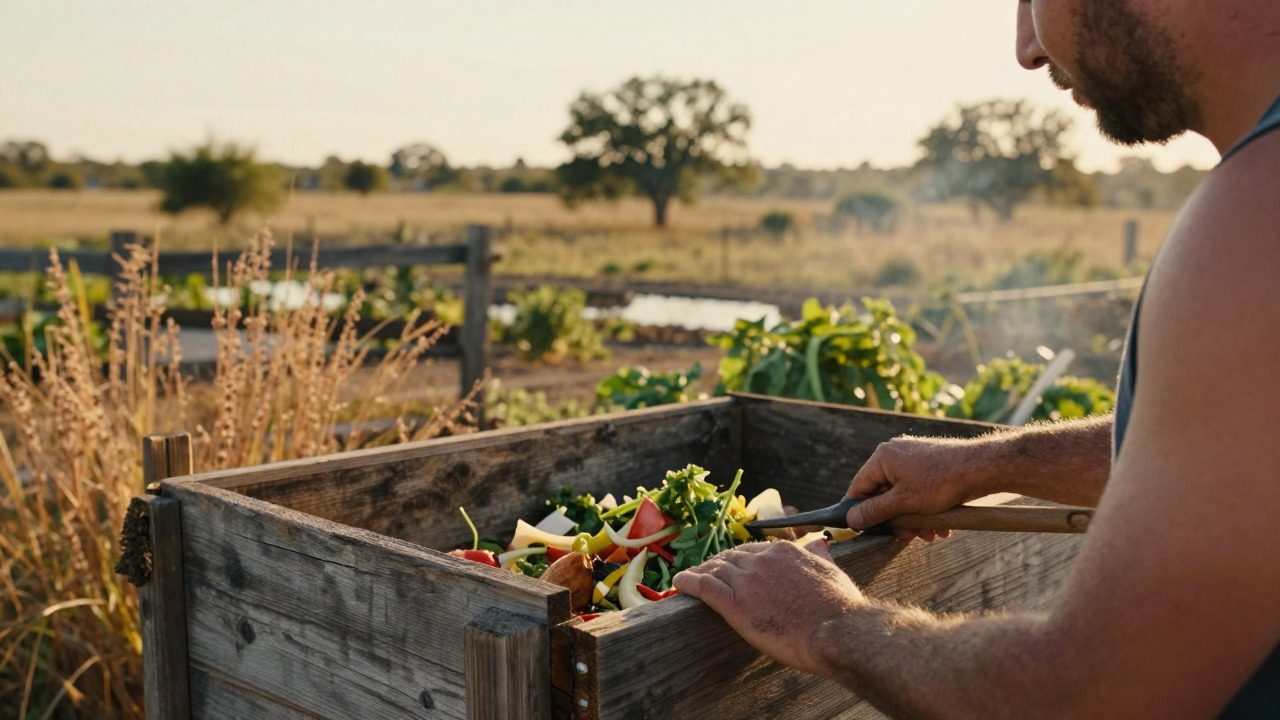
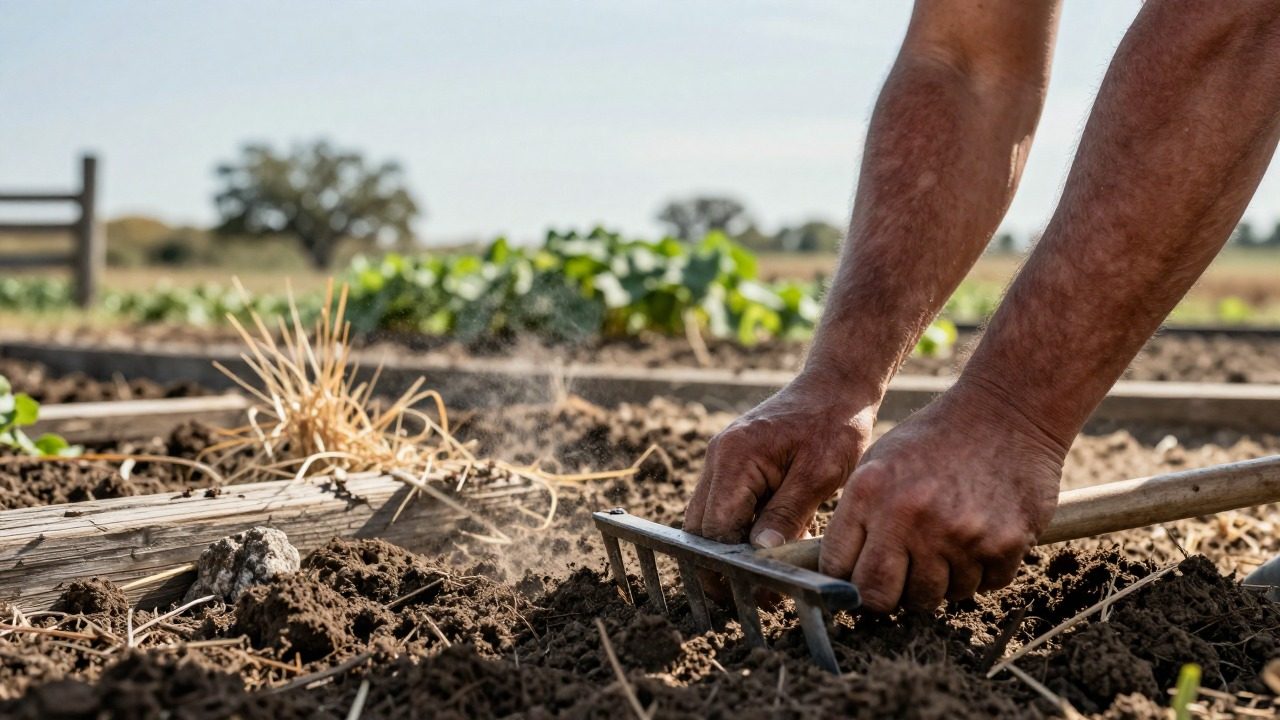
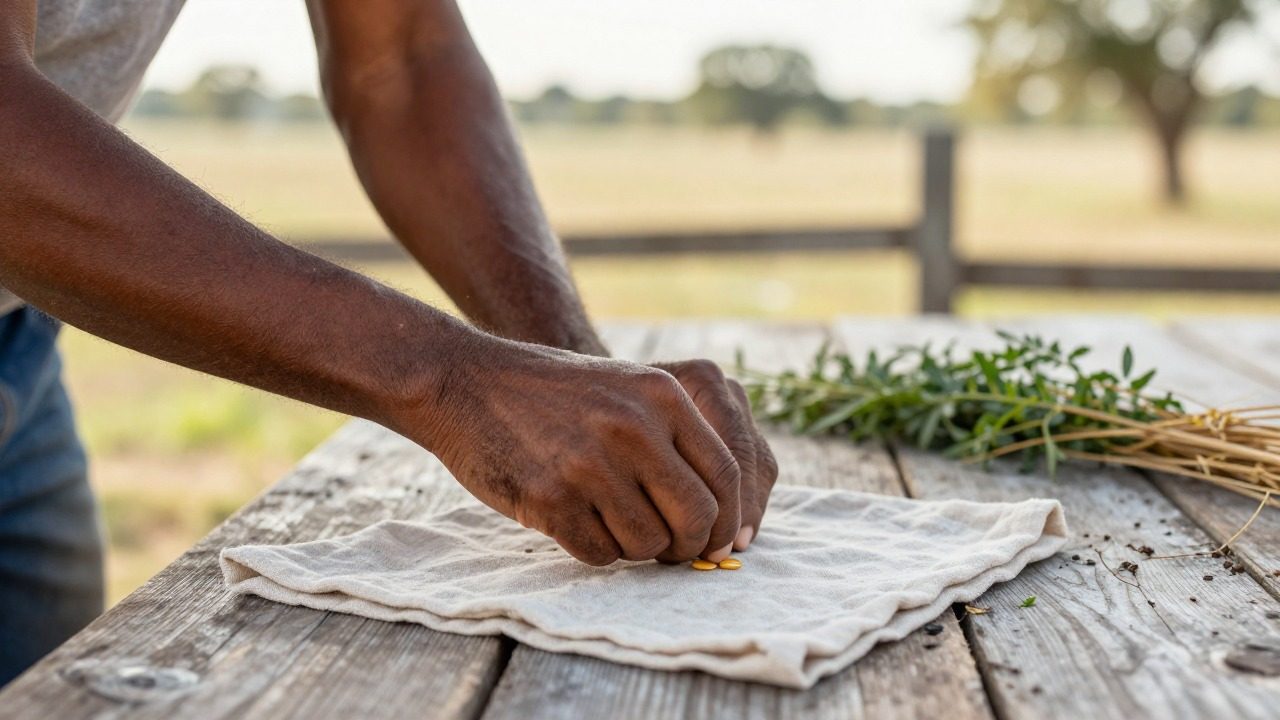
Steadwise's on-device AI reads these exact chapters and answers with citations — no internet, no tracking, on your desktop and your iPhone. And you can add your own material to this domain anytime.
Start your free 30 days Browse all 54 domains STEADWISE